Rafter Research DeskUpdated Nov 24, 20264 min read
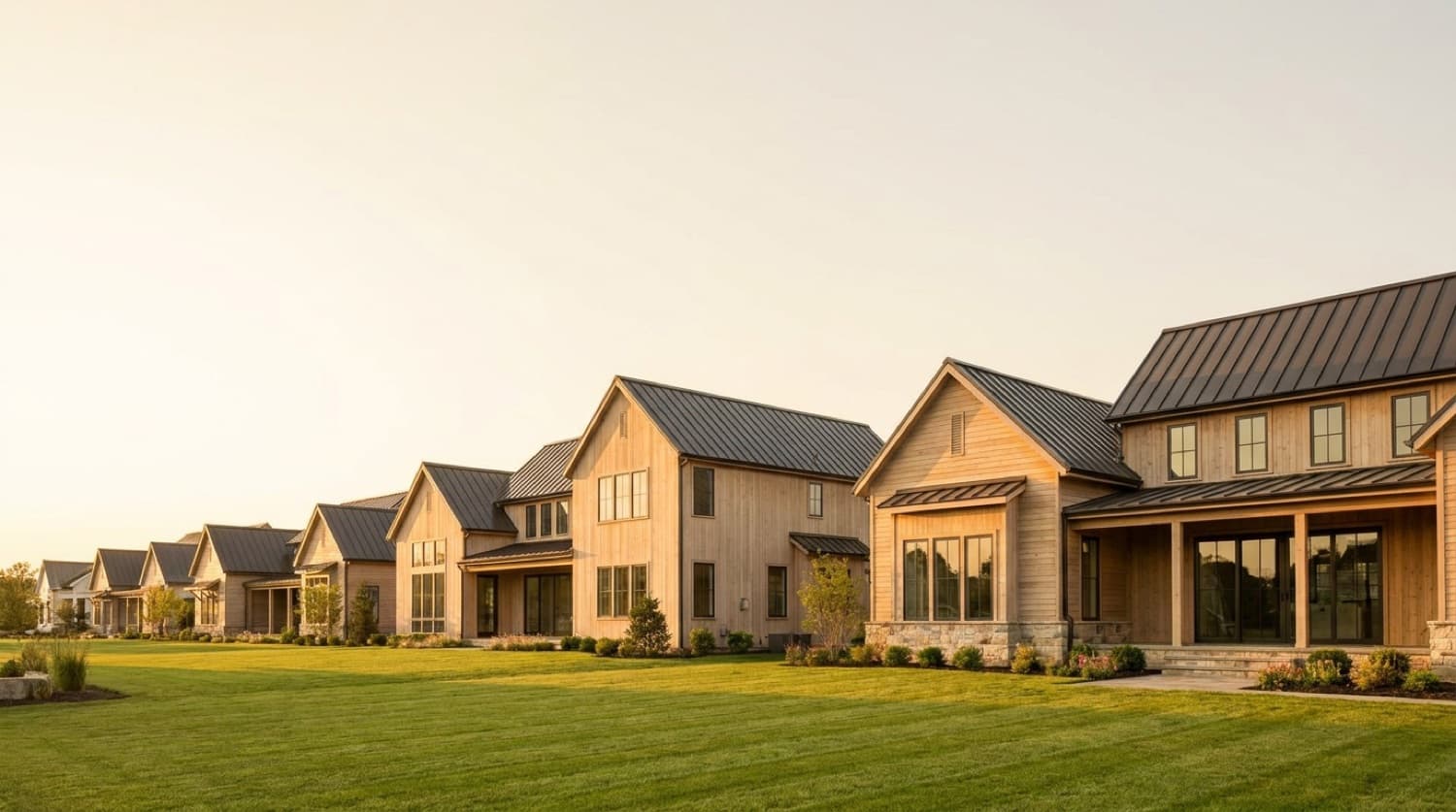
Building a home in Wisconsin in 2026 typically costs between $220 and $400 per square foot, excluding land and soft costs. For a standard 2,000-square-foot home, expect a construction-only budget of $440,000 to $800,000, with total all-in project costs often exceeding $1,000,000 depending on location and site complexity.
- •Construction costs range from $220/sq. ft. for entry-level builds to $500+/sq. ft. for luxury projects.
- •New tariffs on steel, copper, and lumber are adding $10,900 to $17,000+ to total project costs.
- •Wisconsin basements are standard due to frost depths and add $20,000–$35,000 to the base budget.
- •68% of builders are currently offering sales incentives, including price cuts averaging 6%.
Excludes land, site prep, and soft costs.
What Drives Wisconsin Construction Costs?
In 2026, the Wisconsin construction market is defined by a high-interest-rate environment and supply chain volatility. With construction loan rates sitting between 7.5% and 9%, borrowing costs are significantly higher than in previous years. This has cooled buyer traffic to 15-year lows, forcing builders to offer competitive concessions. If you are planning a build, use our cost calculator to adjust for local labor rates and specific material grades.
Tariffs on essential building materials—specifically steel, copper, and lumber—are a major factor in current estimates. These trade-related price hikes add roughly $10,900 to $17,000 to the average home build. Furthermore, labor shortages in the skilled trades continue to drive up subcontractor bids, particularly for specialized work in remote areas.
How Do Regional Costs Differ Across Wisconsin?
Geography is the single largest variable in your budget. The Milwaukee and Madison metro corridors benefit from established infrastructure and high builder competition, keeping costs toward the lower end of the $220–$350 per square foot range. Conversely, building in the Northwoods or resort areas like Vilas and Oneida counties can push costs to $300–$700+ per square foot. These regions require complex site work, adherence to strict shoreline zoning, and expensive utility extensions.
| Budget Category | Allocation (%) | Cost Impact |
|---|---|---|
| Interior Finishes | 24.1% | High |
| Major Systems | 19.2% | High |
| Framing | 16.6% | Moderate |
| Foundations | 10.5% | High (Frost Depth) |
Why Is Site Work Often Underrated?
Many first-time builders confuse the cost of a 'lot' with the cost of 'land.' A lot in a prepared subdivision typically has utilities stubbed to the property line, minimizing upfront site costs. Purchasing raw land requires clearing, grading, and the installation of private wells or septic systems, which can easily add tens of thousands to your budget. In Wisconsin, the mandatory 48-inch frost depth also necessitates full-depth foundations or basements, which are a non-negotiable expense of $20,000–$35,000.
Get Accurate Local Quotes
Construction costs vary significantly by zip code. Use our database to find licensed contractors in your area and receive detailed, site-specific estimates for your 2026 build.
Get 3 free quotes →What Is The Realistic Timeline For A 2026 Build?
Expect a total project duration of 10 to 18 months. The pre-construction phase—including design, engineering, and architectural planning—typically consumes 3 to 6 months. Permitting in Wisconsin can take an additional 1 to 3 months, depending on the municipality and local zoning board requirements. Once the ground is broken, active construction generally spans 6 to 9 months for a standard custom home.
Are builder incentives common in 2026?
Yes. Due to low buyer demand, 68% of builders are offering incentives. These typically include price cuts averaging 6% or mortgage rate buydowns to help offset the impact of 7.5%–9% interest rates.
How do I ensure my builder is legitimate?
Always verify your contractor's credentials through the Wisconsin Department of Safety and Professional Services (DSPS) website. Ensure they hold an active Residential Builder License before signing any contracts or providing deposits.
Do I need a basement in Wisconsin?
While not strictly required by law, basements are effectively universal in Wisconsin. Because the frost depth is 48 inches, you must excavate deep enough that a basement is the most cost-effective way to utilize the foundation footprint, adding $20,000–$35,000 to your budget.
How do tariffs affect my home build?
New tariffs on imported steel, copper, lumber, and appliances are directly inflating construction costs. You should budget an additional $10,900 to $17,000 for these material-specific cost pressures.
Sources
Reviewed by Rafter Research Desk · Updated Nov 24, 2026 · See our cost methodology.